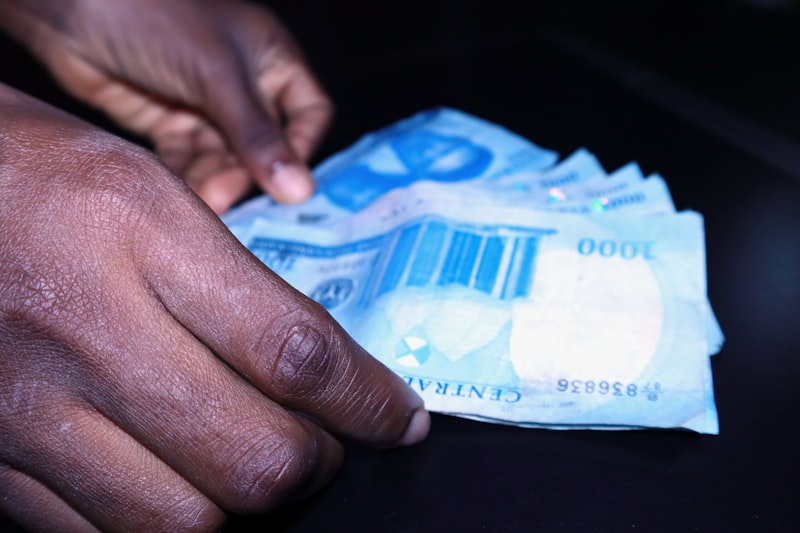
As a Nigerian youth in 2025, money stress is real. Between the rising cost of data, fuel subsidy wahala, and that one friend whose owambe you can't miss, your ₦50,000 salary or hustle money can disappear before you say "POS charges." But here's the truth: most of us were never taught how to manage money in secondary school or even university. JAMB tested you on Mathematics, but nobody tested you on how to budget your first salary.
Let's fix that today.
Why Personal Finance Matters Now More Than Ever
Inflation in Nigeria isn't playing with anybody. What ₦5,000 bought you in 2020 can barely fill your tank today. If you don't take charge of your finances now, you'll wake up at 35 still asking your parents for "small support." The good news? You don't need to be earning millions to build wealth. You just need the right habits.
1. Learn to Budget — The 50/30/20 Rule (Nigerian Edition)
Budgeting is simply telling your money where to go before it disappears. A simple formula to follow:
- 50% Needs: Rent, food, transport, data, electricity
- 30% Wants: Jollof outings, Netflix, aso-ebi, sneakers
- 20% Savings & Investments: Your future self will thank you
If you earn ₦100,000 monthly, that's ₦50,000 for needs, ₦30,000 for wants, and ₦20,000 saved or invested. Apps like Cowrywise, PiggyVest, and Kuda make this super easy.
2. Build an Emergency Fund
Life in Nigeria is unpredictable. Your laptop can spoil today, NEPA can burn your appliances tomorrow, or you might need urgent transport to your village. Aim to save 3–6 months of living expenses in an emergency fund.
Start small:
- Save ₦2,000 weekly in a locked PiggyVest "Safelock"
- Use "Flex Naira" on PiggyVest to earn interest while staying liquid
- Never touch this money unless it's a genuine emergency (new iPhone is NOT an emergency)
3. Understand the Difference Between Assets and Liabilities
Robert Kiyosaki said it best: assets put money in your pocket, liabilities take money out. That brand new iPhone 15 you bought on installment? Liability. The laptop you use to freelance on Upwork? Asset.
Before buying anything expensive, ask yourself:
- Does this generate income?
- Will it appreciate in value?
- Can I afford it without borrowing?
4. Start Investing Early — Even With ₦5,000
You don't need ₦1 million to start investing. Here are beginner-friendly options:
- Treasury Bills & FGN Savings Bonds: Safe, government-backed
- Mutual Funds: Try Stanbic IBTC, ARM, or Cowrywise Mutual Funds
- Stocks: Buy shares of Nigerian companies via Bamboo, Trove, or Chaka
- Dollar Savings: Hedge against naira devaluation with Risevest or Bamboo
Compound interest is the 8th wonder of the world. ₦10,000 invested monthly at 15% annual returns becomes over ₦2.7 million in 10 years. Start now, your 30-year-old self will kneel down and thank you.
5. Avoid Bad Debt Like Runs Girls Avoid Broke Guys
Loan apps like Palmcredit, FairMoney, and Branch are everywhere, and they'll charge you interest rates that will shock your ancestors. Avoid borrowing for:
- Clothes and "drip"
- Detty December trips
- Dates to impress someone
- Gambling (SportyBet has collected enough)
Good debt (like a loan for a business that generates income) can be useful. Bad debt (consumer debt for things that lose value) is financial slavery.
6. Invest in Yourself
The best investment you'll ever make is in your skills. A graphic designer earning ₦300,000 monthly from remote gigs was once a 100-level student who bought a ₦15,000 course. Skills like:
- Digital marketing
- UI/UX design
- Copywriting
- Data analysis
- Product management
...can take you from earning naira to earning dollars via Paystack, Payoneer, or Wise. Your JAMB score got you into university; your skills will get you into wealth.